An interior designer in Denver told me client pitches used to take her a full weekend of Pinterest boards and rough sketches before a client would even commit to a direction. Now she generates three distinct style concepts in under an hour — before the client has spent a cent on furniture. Midjourney prompts for interior design turn a vague client brief into visual concepts fast enough to use in the very first meeting. This guide covers 10 tested prompts for rooms, styles, and mood boards. Browse our full AI prompt library or explore all Midjourney prompts for more tools.
Why Interior Design Concepts Need Their Own Midjourney Prompts
Interior design lives or dies on getting the client to visualize a direction early. Sketches take time, and Pinterest boards are someone else’s rooms, not a concept built around this specific client’s space and taste.
Midjourney prompts for interior design let you generate a believable concept image in minutes — enough to anchor a conversation about style direction before committing real design hours. Vague prompts like “modern living room” produce generic stock-photo-style results; specific prompts about materials, color palette, and lighting produce something a client can actually react to.
The prompts below cover the rooms and situations designers actually pitch most often: living rooms, bedrooms, full-home styles, and small-space solutions.
10 Midjourney Prompts for Interior Design That Actually Inspire
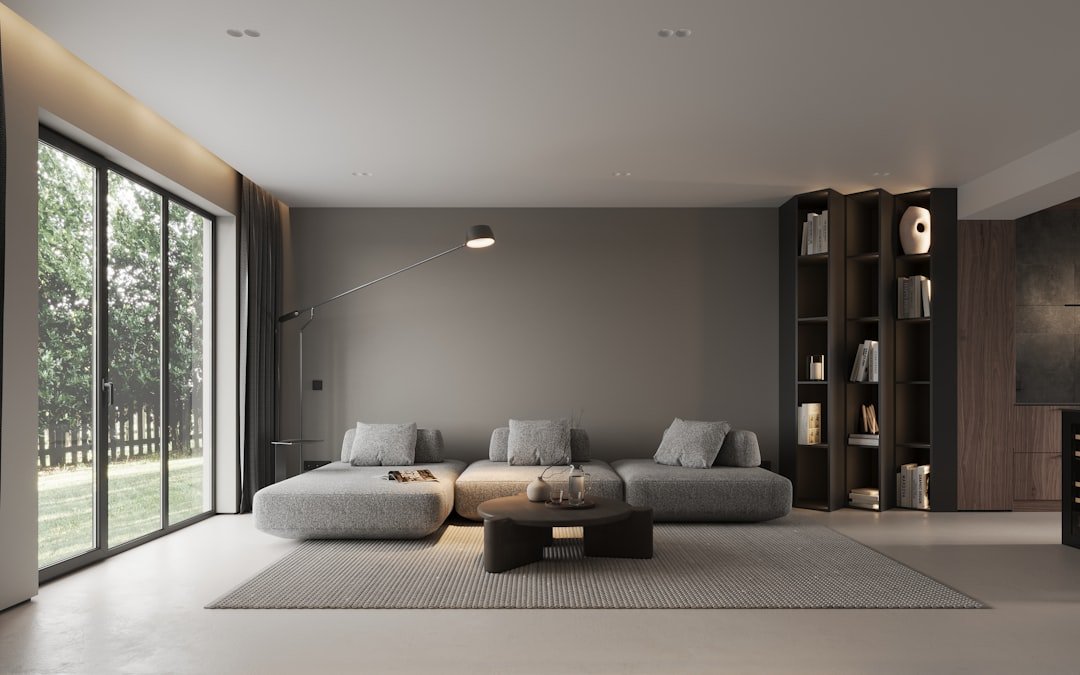
The Modern Minimalist Living Room
interior design of a modern minimalist living room, neutral color palette with [ACCENT COLOR] accents, large windows with natural light, low-profile furniture, clean lines, architectural photography style, wide angle –ar 16:9 –v 6
Why it works: specifying an accent color and window light keeps the result from looking like a generic, flat minimalist stock photo.
The Cozy Scandinavian Bedroom
interior design of a cozy Scandinavian-style bedroom, warm wood tones, soft textiles, [COLOR PALETTE], large window with sheer curtains, morning light, hygge atmosphere, realistic interior photography –ar 4:5 –v 6
Why it works: naming the specific design movement (Scandinavian, hygge) gives Midjourney a clear stylistic anchor instead of an ambiguous “cozy” instruction.
The Small Apartment Space-Saving Concept
interior design concept for a small [ROOM TYPE] in a compact apartment, multi-functional furniture, light color palette to maximize perceived space, smart storage solutions visible, realistic photography style –ar 3:2 –v 6
Why it works: explicitly requesting multi-functional furniture and storage keeps the concept practical, not just visually appealing.
The Industrial Loft Kitchen
interior design of an industrial-style loft kitchen, exposed brick, black metal fixtures, concrete countertops, pendant lighting, open shelving, moody but functional lighting, architectural photography –ar 16:9 –v 6
Why it works: industrial style depends heavily on specific materials (brick, metal, concrete) — naming them prevents a generic ‘modern kitchen’ result.
The Biophilic/Plant-Filled Home Office
interior design of a home office with biophilic design elements, abundant natural light, [NUMBER] indoor plants, wood and natural material desk, calming neutral tones, realistic interior photography style –ar 4:5 –v 6
Why it works: biophilic design is a specific, trending niche — naming it explicitly produces more accurate results than describing plants alone.
The Bold Maximalist Dining Room
interior design of a maximalist dining room, bold [COLOR] wallpaper pattern, eclectic mix of furniture styles, statement lighting fixture, rich textures and layered decor, editorial interior photography style –ar 16:9 –v 6
Why it works: maximalism needs explicit permission for ‘eclectic mix’ and ‘bold pattern’ or Midjourney will default toward safer, more minimal results.
The Coastal/Beach House Living Room
interior design of a coastal living room, light natural wood, white and blue color palette, linen textiles, large windows facing [VIEW: ocean / garden], relaxed airy atmosphere, realistic photography style –ar 16:9 –v 6
Why it works: coastal design depends on a specific, limited color palette — stating it directly keeps the result cohesive rather than generic beach-themed clutter.
The Moody Dark Academia Study
interior design of a study room in dark academia style, deep wood tones, built-in bookshelves, leather armchair, warm ambient lighting, vintage-inspired decor, cinematic interior photography style –ar 4:5 –v 6
Why it works: naming the specific aesthetic trend (dark academia) taps into a well-defined visual language that produces more consistent results.
The Full-Home Style Mood Board Concept
interior design mood board concept for a home in [STYLE: mid-century modern / Japandi / modern farmhouse] style, showing color palette, material textures, and furniture silhouettes in a cohesive flat-lay composition –ar 1:1 –v 6
Why it works: a flat-lay mood board composition (rather than a room photo) is more useful for client presentations showing the overall direction before committing to a specific room layout.
The Before/After Renovation Concept
interior design concept showing a renovated version of a [ROOM TYPE] with [SPECIFIC CHANGES: new flooring / updated lighting / open layout], modern realistic photography style, natural lighting, staged for a real estate presentation –ar 16:9 –v 6
Why it works: renovation concepts work best when the specific changes are named, giving clients a clear visual of the proposed transformation.
5 Rules for Getting Better Results from These Midjourney Prompts
- Name the design movement, not just the vibe. “Scandinavian,” “Japandi,” or “dark academia” produce more consistent results than vague words like “cozy” or “stylish.”
- Always specify the color palette. Interior concepts live or die on color cohesion — leaving it to chance produces mismatched, unusable results.
- Include the lighting condition. Morning light, golden hour, or ambient lighting drastically change the mood of a room render.
- Use aspect ratio to match presentation format. 16:9 for wide room shots, 1:1 for mood boards, 4:5 for vertical client presentations.
- Generate 3-4 variations per room before presenting to a client. Design concepts benefit from comparison — never present the first result as the only direction.
Frequently Asked Questions
Yes, many designers use AI concepts as early-stage mood boards and direction-setting visuals before detailed technical drawings.
Not accurate enough for construction — these are concept/mood visuals only, not a substitute for measured floor plans and technical drawings.
Not precisely — Midjourney generates a plausible room in the requested style, not a rendering of an exact existing space. For that, dedicated architectural rendering tools are more appropriate.
4:5 typically performs best for interior content on Instagram feed posts, while 16:9 works well for wider room reveal shots.
Reuse the same color palette and material keywords across every room prompt in the project. Browse our Midjourney prompts for more consistency techniques.
The Bottom Line
Interior design pitches succeed when clients can actually picture the direction before committing budget. Midjourney prompts for interior design compress that visualization step from a weekend of moodboarding to under an hour, letting you spend more time on the design decisions that actually require your expertise.
Start with the Modern Minimalist Living Room prompt on your next client brief today. Once you’ve dialed in your go-to color palette and material keywords, reuse them across every room in the project. Browse our complete AI prompt library or explore our Midjourney prompts collection for more visual tools. Have a prompt that works brilliantly? Submit it to our community.